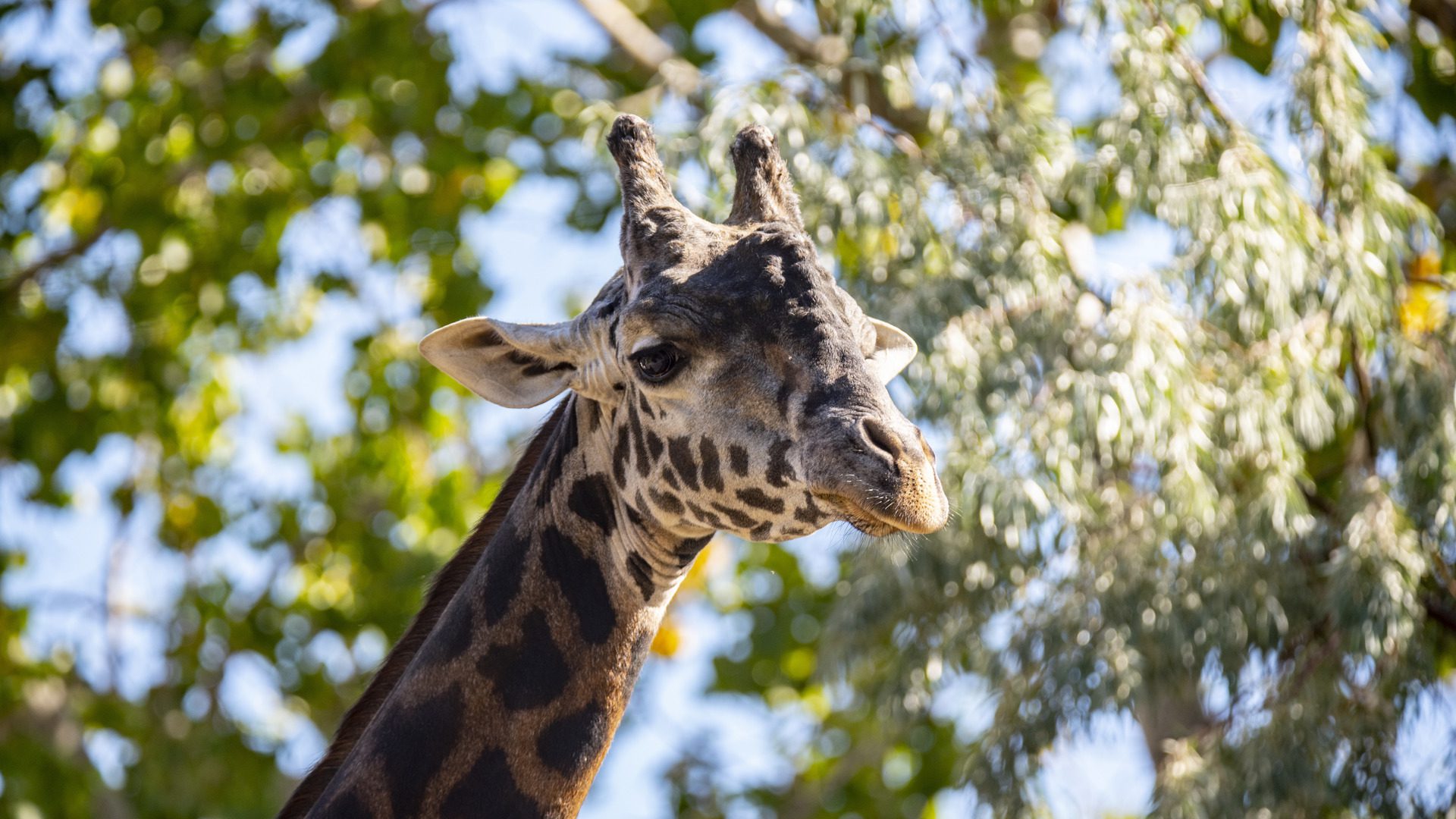
Journey into the grasslands and rainforests of Africa and explore some of the continent’s most remarkable wildlife. From powerful predators to towering herbivores, investigate the adaptations, behaviours, habitats, and ecological relationships that help animals survive in diverse African ecosystems. Along the way, discover the important conservation work being done to protect vulnerable species and explore how human actions can impact wildlife around the world. Species observed may include meerkats, hippopotamuses, giraffes, lions, zebras, lemurs, Malagasy boas, dwarf crocodiles, black-and-white colobus monkeys, and western lowland gorillas.
Location: Outdoors and inside public buildings
Length: 60 minutes
Program times: 10:00 a.m., 11:15 a.m., 12:45 p.m.
Maximum students: 30
Cost:
Register Now
Curricular Connections
This program is designed to complement the Alberta Science curriculum. Depending on the grade of the class, tours may be roughly themed as follows:
Kindergarten – Movement and environmental respect
Grade 1 – Seasonal change
Grade 2 – Lifecycles
Grade 3 – Animal diets
Grade 4 – Adaptations
Grade 5 – Climate and flight
Grade 6 – Ecosystems and climate change
Grade 7 – Trophic level interactions
Grade 8 – Freshwater systems
Grade 9 – Sexual reproduction
Grade 10 – Human impacts and climate change
Grade 11 – Native and invasive species
Grade 12 – Population dynamics
On-Site Program Information and FAQ