Wishing Our Greater Rheas a Great Winter Break
Our greater rheas are turning into snowbirds! With the weather taking a cold turn, our female greater rheas ‘Chip’ and ‘Dip’ will be moving to the Archibald Biodiversity Centre (ABC) for the…
Read MoreAfrican Rainforest Building: The African Rainforest Building will be closed on Tuesday, December 9th, to accommodate replacement of a glass pane. Thank you for your understanding.
African Rainforest Building: The African Rainforest Building will open at 11 a.m. on Wednesday, December 10th, and Thursday, December 11th, to give our western lowland gorilla troop the space, comfort, and privacy they need as they meet their newest member, ‘Johari’. Thank you for your understanding.
Seasonal Closures
Gorilla Amphitheatre: The Gorilla Amphitheatre is closed for the season from October 15th, 2025. Our gorilla troop remains viewable in their indoor habitat.
Prehistoric Park: Prehistoric Park is closed for the season from October 27th, 2025, pending favorable weather conditions.
PETRONAS Gateway to Asia Malayan Tapir Viewing: ‘Sempurna’ and her calf will have daily access to the main indoor habitat from 10:30 a.m.–1:00 p.m. They’ll also have access to their behind-the-scenes space and may choose to spend time there, especially when the calf is nursing, so viewing isn’t always guaranteed. Thank you for your understanding.
Exploration Asia
The Exploration Asia Redevelopment project is officially underway! While there are some viewing impacts in the area, you can still visit many of your favourite species.
Due to significant construction activities in and around Exploration Asia, the zoo’s West Gate will remain closed for the 2025 season and is expected to remain closed until at least 2028/2029. This necessary step supports the safe movement of visitors while we undertake exciting improvements to animal habitats and visitor experiences.
Bite-Sized
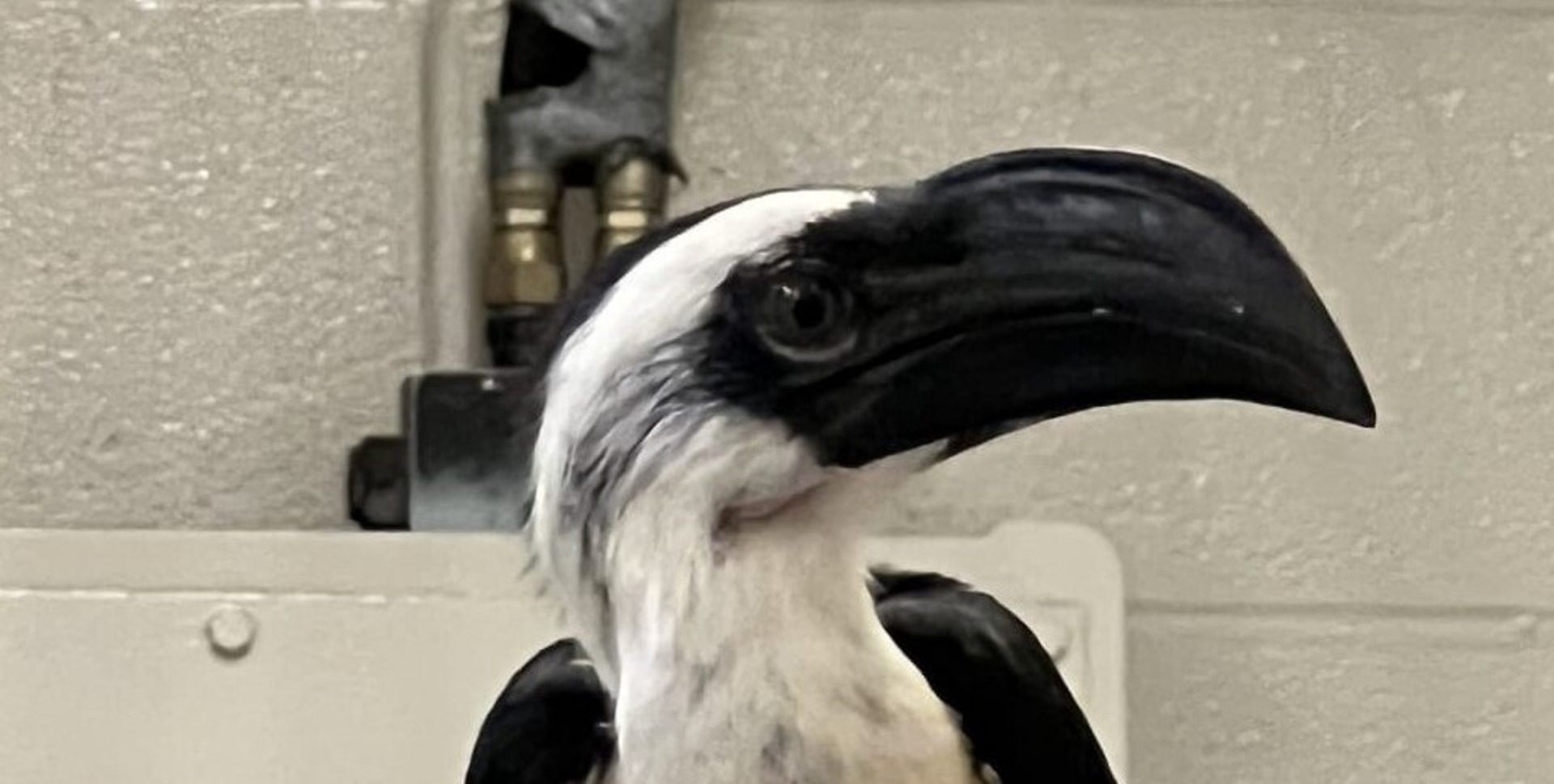
We’re thrilled to welcome a new species to the Rainforest Aviary! We are now home to a two-year-old female Von der Decken’s hornbill!
This beautiful bird, who doesn’t yet have a name, is currently spending some time in the sectioned-off upper portion of the Rainforest Aviary as she adjusts to her new space. During this time, she will have mesh-to-mesh introductions with her habitat mates and will join the flock in the aviary once her behaviours tell us she is ready.
Von der Decken’s hornbills are native to the forests, savannahs, and shrublands of East Africa. With a natural range that spans Ethiopia, Kenya, Somalia, and Tanzania, this non-migratory species is facing population declines due to the loss of large nesting trees in the wild.
Join us in welcoming the newest member of our zoo family!