
Names for Our Por-cute-pines
Look sharp! It's time to greet our African crested porcupettes by name! Earlier this month, we invited our member community to help name our two African crested porcupettes, and they did a quilly…
Read MoreGrizzly Bears: As of August 16, our male grizzly cubs are temporarily not viewable. Thank you for your understanding.
PETRONAS Gateway to Asia Malayan Tapir Viewing: ‘Sempurna’ and her female calf ‘Nyawa’ have daily access to either the main indoor habitat or the outdoor habitat from 9:30 a.m.–1:30 p.m. They’ll also have access to their behind-the-scenes space and may choose to spend time there, so viewing isn’t always guaranteed. Thank you for your understanding.
Due to significant construction activities in and around Imagine Asia, the zoo’s West Gate will remain closed for the 2025 season and is expected to remain closed until at least 2028/2029. This necessary step supports the safe movement of visitors while we undertake exciting improvements to animal habitats and visitor experiences.
Bite-Sized
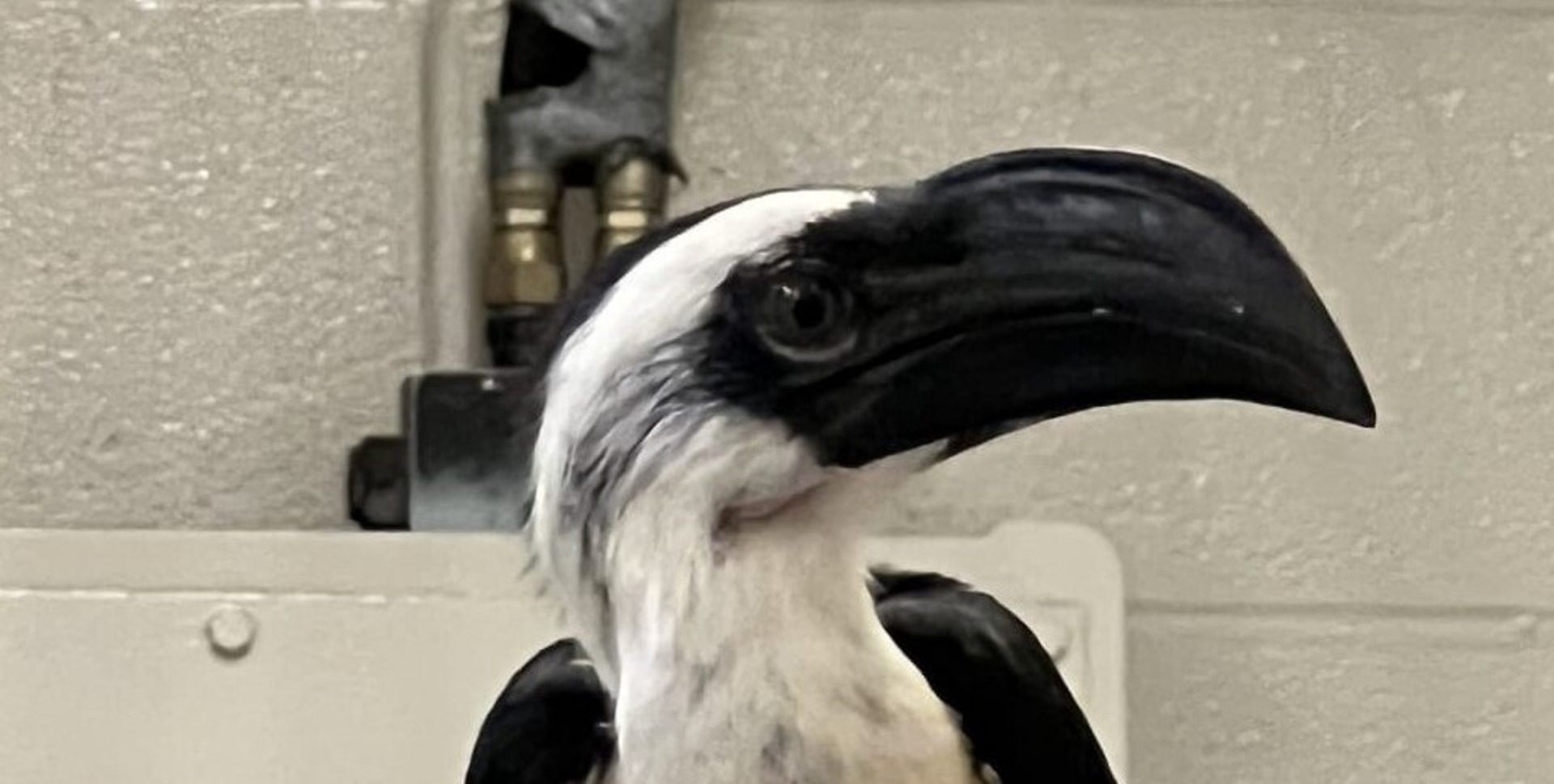
We’re thrilled to welcome a new species to the Rainforest Aviary! We are now home to a two-year-old female Von der Decken’s hornbill!
This beautiful bird, who doesn’t yet have a name, is currently spending some time in the sectioned-off upper portion of the Rainforest Aviary as she adjusts to her new space. During this time, she will have mesh-to-mesh introductions with her habitat mates and will join the flock in the aviary once her behaviours tell us she is ready.
Von der Decken’s hornbills are native to the forests, savannahs, and shrublands of East Africa. With a natural range that spans Ethiopia, Kenya, Somalia, and Tanzania, this non-migratory species is facing population declines due to the loss of large nesting trees in the wild.
Join us in welcoming the newest member of our zoo family!