
Grieving ‘Bishop’
We're saddened to share that earlier this month, we said goodbye to ‘Bishop’, our 9.5-year-old East African crowned crane. Bishop had been receiving treatment for several months for a suspected fungal mass…
Read MoreAmur Tiger Viewing Impact: Our Amur tigers may not be viewable on Thursday, March 19th, while contractors perform borehole testing in the area. Our wild boar and Pallas’s cats will continue to be viewable during this time. Thank you for your understanding.
Early Building Closure: Last entry to the ENMAX Conservatory will be at 3:00 p.m. and last entry to Kitamba Café will be at 3:30 p.m. on Friday, March 27th, to accommodate set up for our ZooDunnit (18+) event. Thank you for your understanding.
Seasonal Closures
Gorilla Amphitheatre: The Gorilla Amphitheatre is closed for the season from October 15th, 2025. Our gorilla troop remains viewable in their indoor habitat.
Prehistoric Park: Prehistoric Park is closed for the season from October 27th, 2025, pending favourable weather conditions.
PETRONAS Gateway to Asia Malayan Tapir Viewing: ‘Sempurna’ and her calf have daily access to the main indoor habitat from 10:30 a.m.–1:00 p.m. They’ll also have access to their behind-the-scenes space and may choose to spend time there, especially when the calf is nursing, so viewing isn’t always guaranteed. Thank you for your understanding.
Exploration Asia
The Exploration Asia Redevelopment project is officially underway! While there are some viewing impacts in the area, you can still visit many of your favourite species.
Due to significant construction activities in and around Exploration Asia, the zoo’s West Gate will remain closed for the 2025 season and is expected to remain closed until at least 2028/2029. This necessary step supports the safe movement of visitors while we undertake exciting improvements to animal habitats and visitor experiences.
Bite-Sized
We caribou-t making sure our woodland caribou have food they lichen!
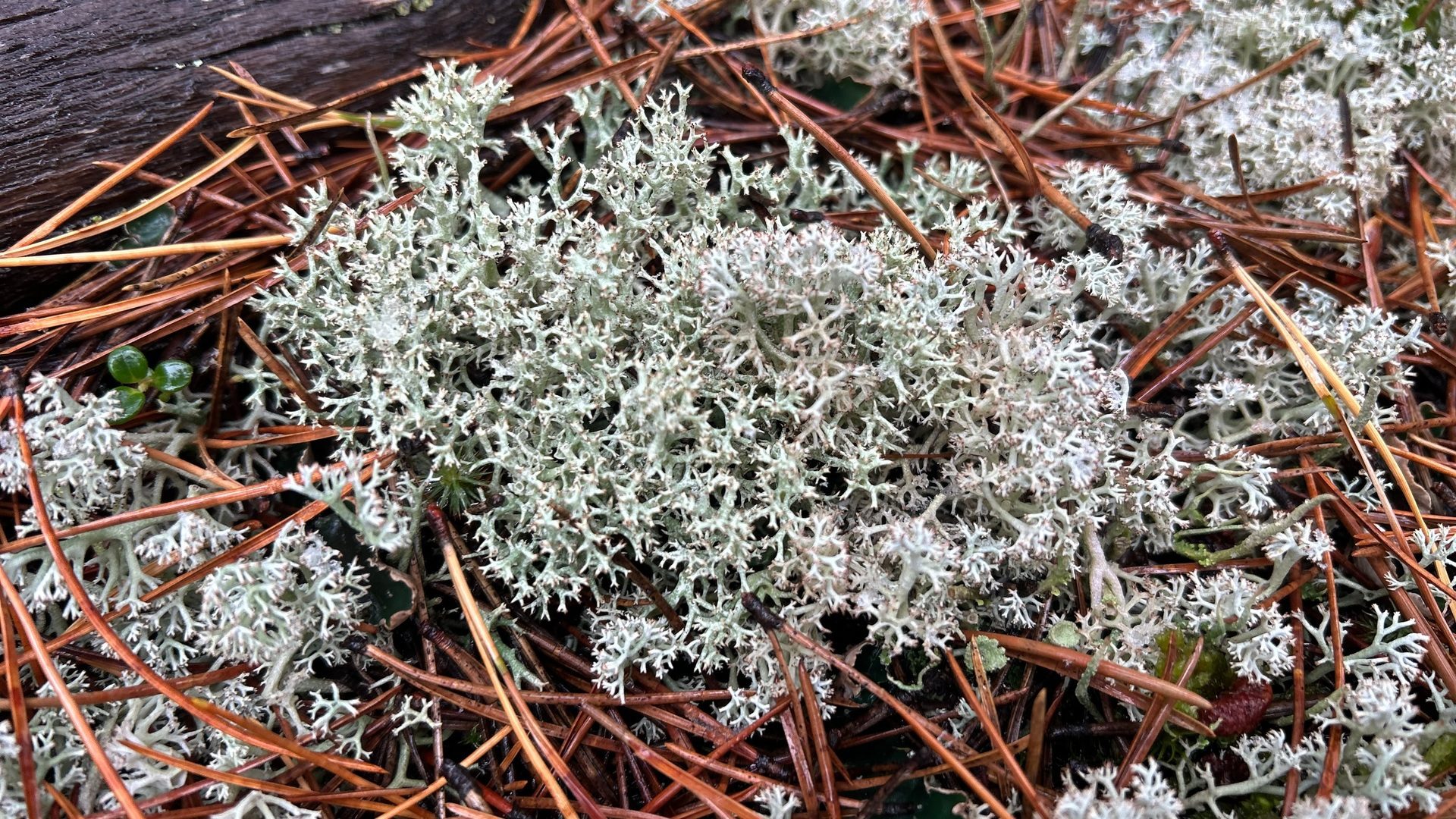
Earlier this fall, our very own Dr. Larisa Jancewicz, Supervisor of Animal Nutrition, took part in our Lichen Harvesting Program. This program is supported by our friends at TC Energy and builds on community partnerships and conservation science to supply woodland caribou with a critical staple of their diet. Caribou eat lichen year-round in addition to other plant material like forbs, sedges, and grasses, but when forage is scarce in winter, lichen is the backbone of woodland caribou nutrition. It makes up 85% of their diet!
Dr. Larisa joined with students from Grande Cache, a hamlet north of Jasper National Park, as well as community partners from Caribou Patrol and Asenewuche Winewak Nation (AWN). Together, they harvested four potato sacks of Cladonia (ground/reindeer lichen), many large branches of Bryoria (horsehair lichen), and some Usnea lichen. This harvest took place just outside of typical woodland caribou territory to avoid disturbing sensitive boreal forest habitat. These lichens were sorted to remove debris, dried, bagged for safe storage, and given to our woodland caribou herd as a nutritious and natural addition to their diet.
Lichen is a symbiotic partnership between fungi and alga, and it is known for being incredibly slow-growing – some forms grow only one millimetre per year! With the IUCN Red List classifying woodland caribou as Vulnerable due to deforestation and climate change, threats to lichen consequently threaten the survival of this beautiful species. We’re proud to be part of ethical harvesting practices like our Lichen Harvesting Program, helping to strengthen environmental resilience and fostering a deeper relationship between people and wildlife.