
Remembering Fabio
It is with heavy hearts that we share the passing of Fabio, a beloved member of our peafowl muster. Earlier this month, Fabio, a 15-year-old free-roaming peacock, was struck on a back service road by…
Read MoreEarly Asian Highlands Closure: Last entry to Asian Highlands will be at 4 p.m. on Sunday, September 20, and Sunday, September 27, to accommodate set up for Wild After Hours: Snow Leopards (18+). The area will be cleared by 5 p.m. Thank you for understanding.
Early Building Closure: Last entry to Kitamba Café and the ENMAX Conservatory will be at 3:00 p.m. on Friday, October 2, to accommodate set up for our ZooDunnit (18+) event. The buildings will be cleared by 3:30 p.m. Thank you for your understanding.
Late Zoo Opening: The Wilder Institute’s Calgary Zoo will open to members and the day admission ticket holders at 10 a.m. on Saturday, October 3, to accommodate our Wild Walk event. Thank you for your understanding.
Grizzly Bear Viewing: Our grizzly bears are off-view from Tuesday, September 8 through Friday, September 18, to accommodate planned habitat work. Thank you for your understanding.
PETRONAS Gateway to Asia Malayan Tapir Viewing: ‘Sempurna’ and her female calf ‘Nyawa’ have daily access to either the main indoor habitat or the outdoor habitat from 9:30 a.m.–1:30 p.m. They’ll also have access to their behind-the-scenes space and may choose to spend time there, so viewing isn’t always guaranteed. Thank you for your understanding.
Due to significant construction activities in and around Imagine Asia, the zoo’s West Gate will remain closed for the 2025 season and is expected to remain closed until at least 2028/2029. This necessary step supports the safe movement of visitors while we undertake exciting improvements to animal habitats and visitor experiences.
Bite-Sized
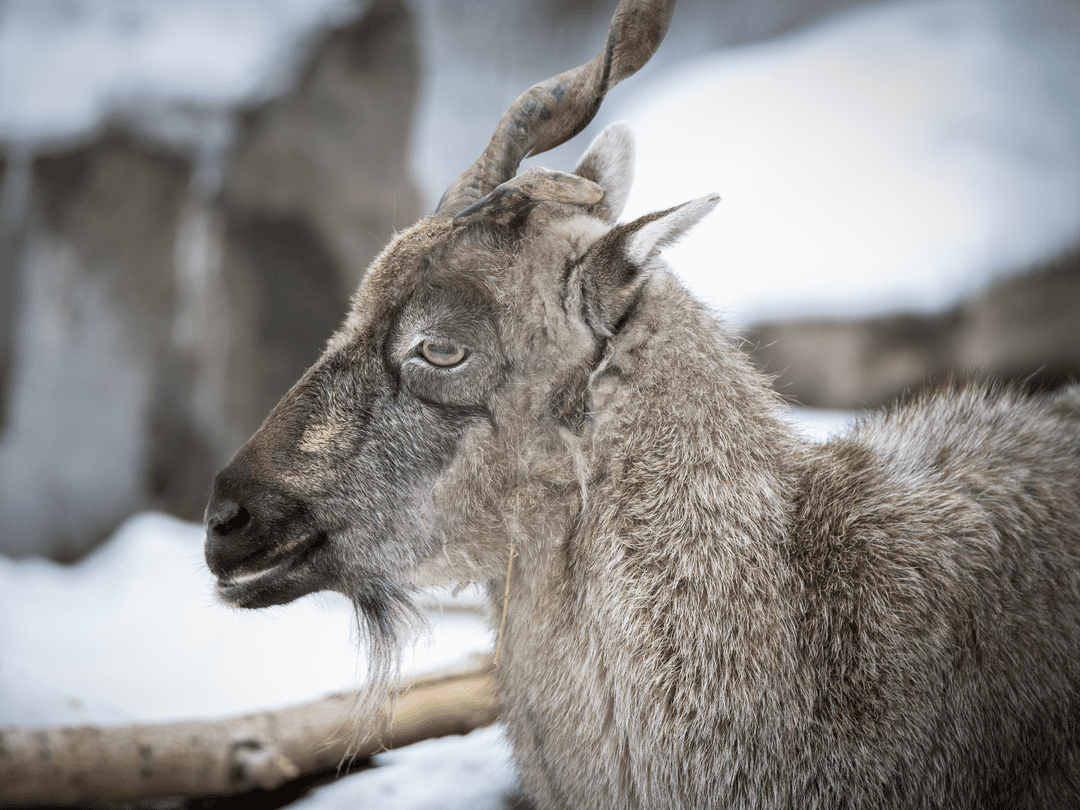
One of the hardest things we do is say goodbye to the animals we love and care for. Earlier today, we said goodbye to our geriatric, 19-year-old Turkmenian markhor, ‘Sproing’, who had been dealing with numerous age-related degenerative health challenges.
Throughout her golden years, Sproing received unwavering care from our Animal Care, Health & Welfare (ACHW) team, including daily dietary supplements and medications to ease the effects of arthritis and ensure her comfort. With this steadfast support, she remained stable for many years. However, over the last year her dedicated caregivers noted her age-related progressive decline as increased stiffness and loss of body condition set in that were increasingly not responding to her treatments. Our Animal Care, Health & Welfare team made the compassionate decision that euthanasia was in her best interest.
Sproing’s journey with us began in 2005 when she arrived from Winnipeg at just 7 months old. She was a mother to one of our previous markhor “Cricket” who passed away last year at 16 years of age. Her remarkable life with us surpassed all expectations as she outlived her daughter and defied the median life expectancy of her species, which stands at 8.6 years. In fact, at the time of her passing, she was the oldest markhor in the North America population and 10th oldest female markhor on current record in the global Zoo Information Management System. Sproing’s legacy stands as a testament to the exceptional care she received throughout her long and cherished life with us.
Sproing’s passing coincided with the on-park debut of two new markhors to our herd. This timing was not coincidental but was rooted in careful planning and commitment to species wellbeing at an individual and herd level. Behind every such decision lies a complex framework of population management, expertise, and foresight. Population and succession planning are crucial elements to ensuring the animals in our care can live healthy and fulfilling lives, while also managing the long-term wellbeing of their species.
Recognizing several years ago that our herd was aged, our ACHW team diligently worked with the markhor Species Survival Plan to identify suitable companions for our two-year-old male ‘Cliff’. This process led to three-year-old sisters, ‘Cy’ and ‘Phoenix’, joining our zoo family after careful consideration. The two newcomers arrived in Calgary in early April and have resided at our offsite Wildlife Conservation Center since then. Their arrival on zoo grounds and introduction to Cliff was strategically timed to minimize stress for all involved. Throughout this process, our dedicated ACHW team remained steadfast in their commitment to Sproing’s comfort and well-being, ensuring she maintained a quality of life until the very end while also balancing the social needs of “Cliff”. The tireless efforts of our ACHW team underscore the profound care and consideration that define our approach to animal stewardship. Additional information about the health challenges that led to Sproing’s euthanasia will be confirmed once the results of the necropsy with additional testing are available.
Sproing spent almost her whole lifetime with us here in Calgary and she will be deeply missed by staff, volunteers and the thousands of visitors who loved her. Please keep our ACHW team in your thoughts during this difficult time.