
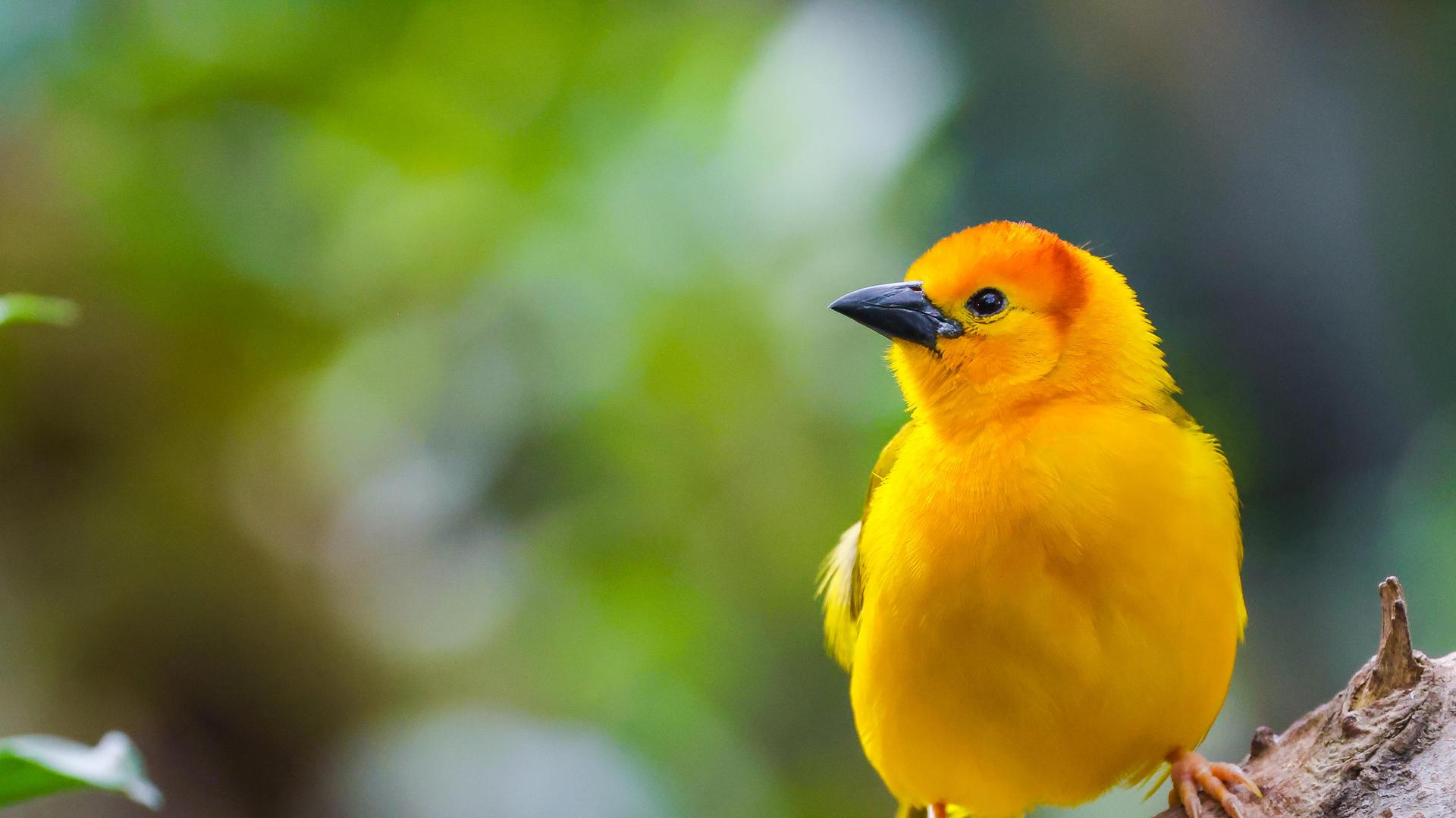
Rainforest Aviary
Welcome to a symphony of sound and colour. Our Rainforest Aviary brings you closer to a variety of incredible birds.
Birds
Rainforest Aviary
You know what they say – birds of a feather flock together. Here in the Rainforest Aviary, you’ll see an incredible diversity of bird species in this stunning mixed species habitat where feathered friends are busy building nests, preening, and going for a swim. Don’t forget to keep an eye out for our East African mud turtle!
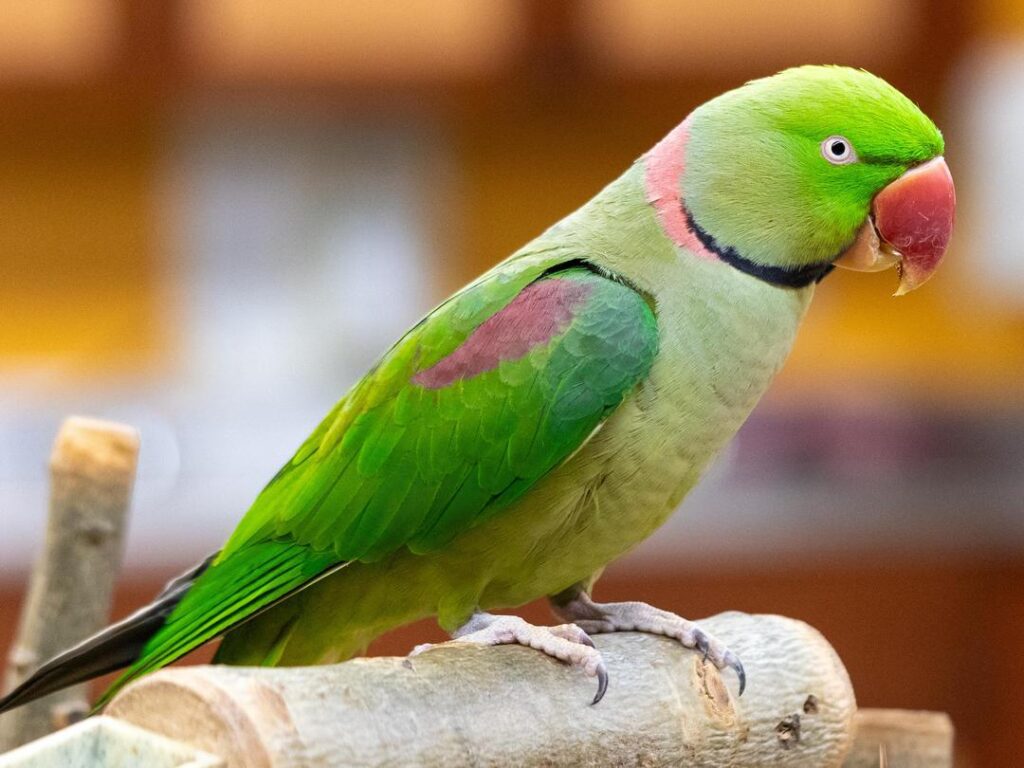
Alexandrine Parakeet
- Range: Afghanistan, Bangladesh, Bhutan, Cambodia, India, Laos, Myanmar, Nepal, Pakistan, Sri Lanka, Thailand, and Vietnam
- What do they eat? Herbivore – seeds, fruits, and nuts
- What family do they belong to? Psittacidae – one of three parrot families
- IUCN Red List status: Near Threatened
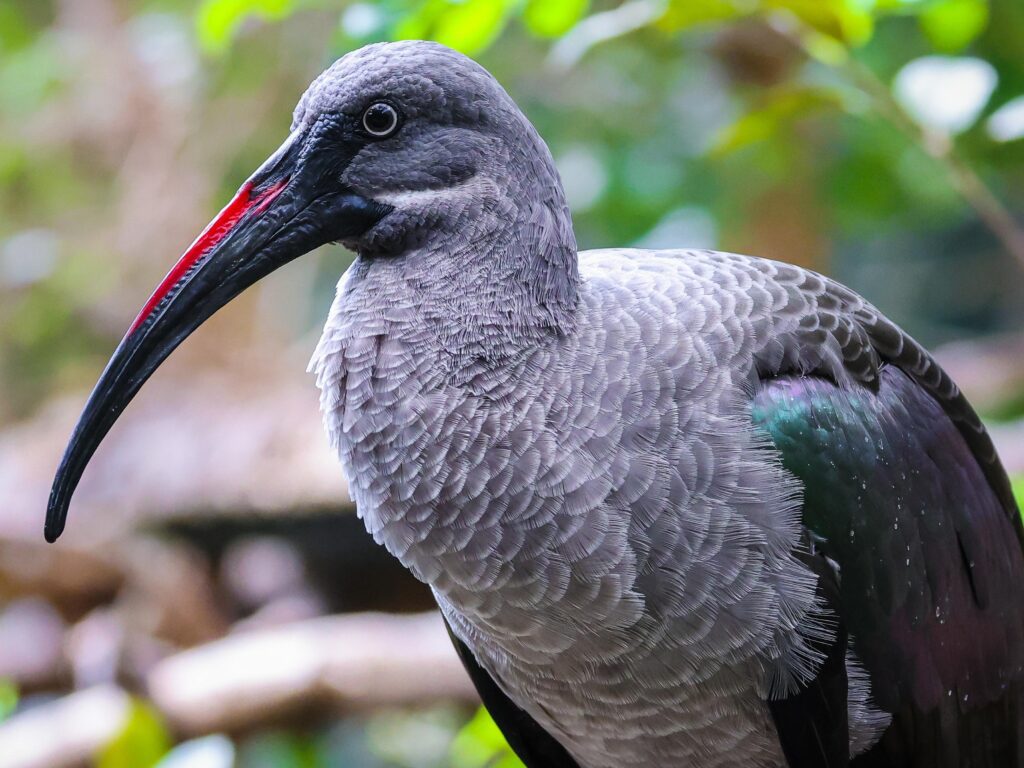
Hadada Ibis
- Range: Central and southern Africa
- What do they eat? Carnivore – insects, millipedes, worms, spiders, and lizards
- What family do they belong to? Threskiornithidae – ibis and spoonbill family
- IUCN Red List status: Least Concern
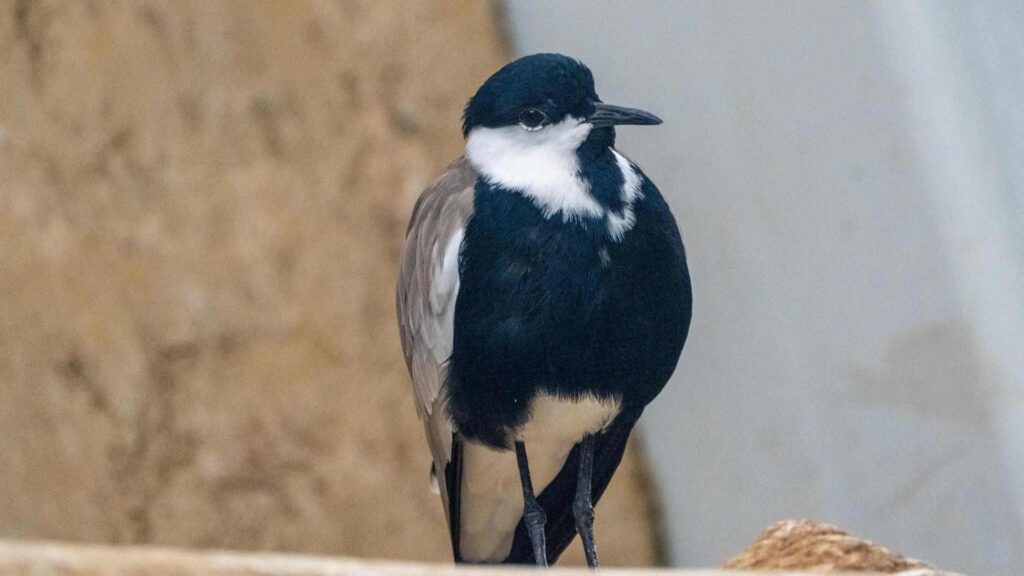
Spur-winged Lapwing
- Range: Europe, Asia, and Africa
- What do they eat? Carnivore – insects and invertebrates
- What family do they belong to? Charadriidae – plovers and lapwings
- IUCN Red List status: Least Concern
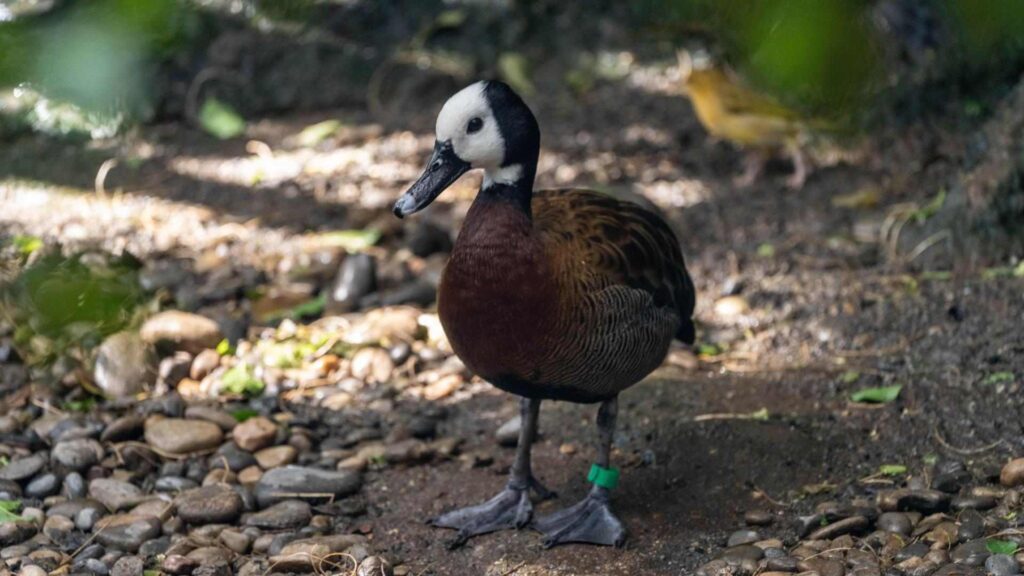
White-faced Whistling duck
- Range: Africa and South America
- What do they eat? Omnivore – grasses, seeds, and aquatic invertebrates
- What family do they belong to? Anatidae – duck, goose, and swan family
- IUCN Red List status: Least Concern
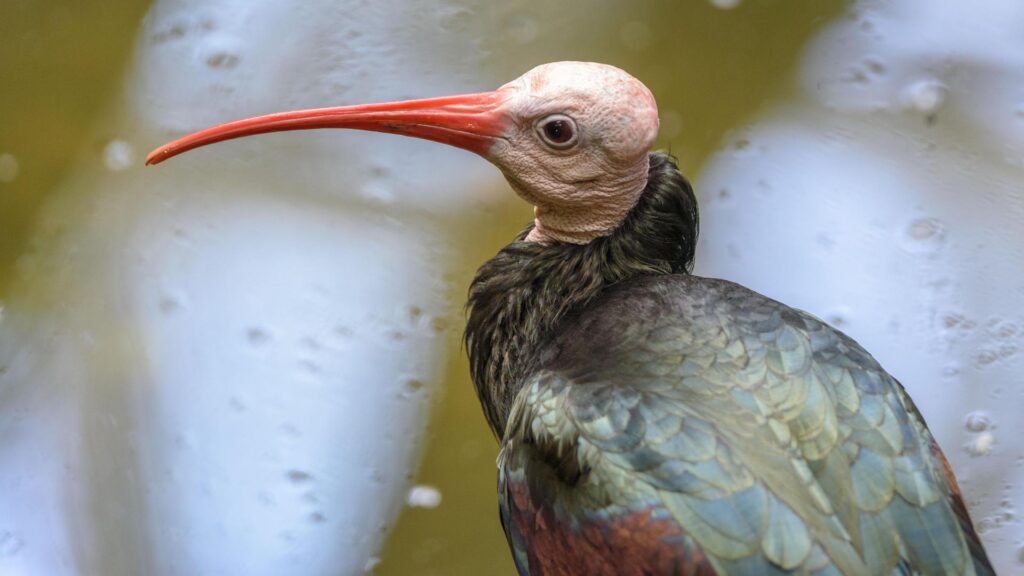
Southern Bald Ibis
- Range: Southern Africa
- What do they eat? Carnivore – insects and invertebrates
- What family do they belong to? Threskiornithidae – ibis and spoonbill family
- IUCN Red List status: Vulnerable
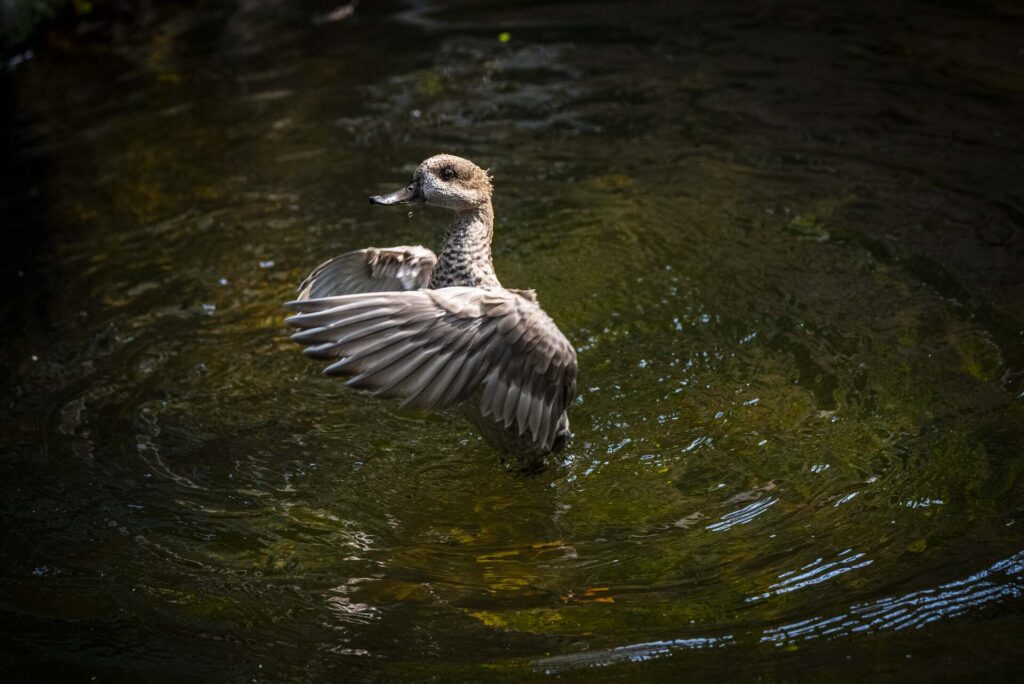
Marbled Teal
- Range: Spain, Italy, Northern African, Iraq, Iran, Azerbaijan, Armenia, China, and India
- What do they eat? Omnivore – seeds, plants, and invertebrates
- What family do they belong to? Anatidae – duck, goose, and swan family
- IUCN Red List status: Near Threatened
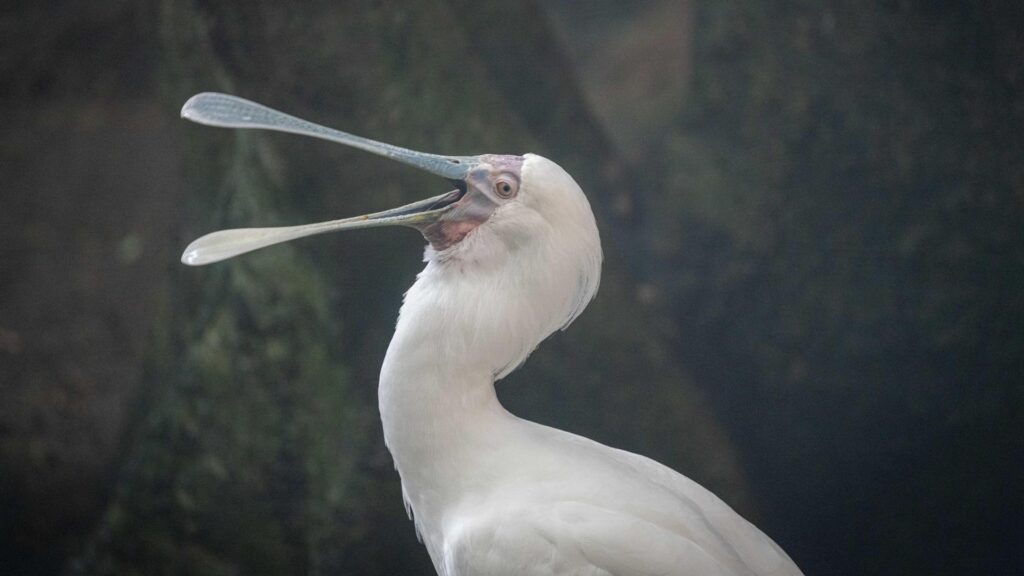
African Spoonbill
- Range: Botswana, Kenya, Mozambique, Namibia, South Africa, Zimbabwe, and Madagascar
- What do they eat? Carnivore – fish, mollusks, amphibians, crustaceans, insects, and larvae
- What family do they belong to? Threskiornithidae – ibis and spoonbill family
- IUCN Red List status: Least Concern
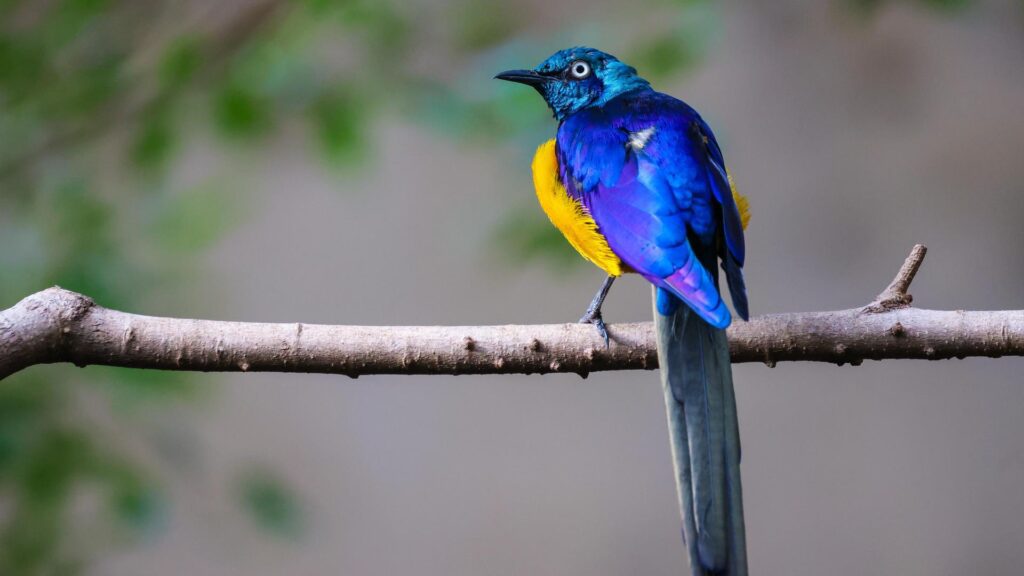
Golden-Breasted Starling
- Range: Somalia, Ethiopia, Kenya, and Tanzania
- What do they eat? Omnivore – insects, termites, snails, spiders, small vertebrates, and fruits
- What family do they belong to? Sturnidae – starling family
- IUCN Red List status: Least Concern
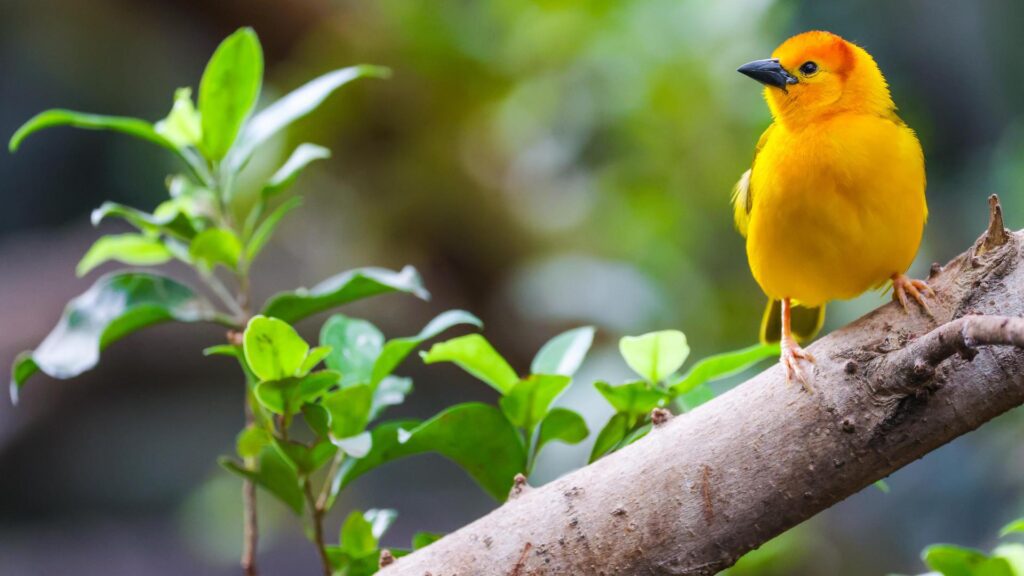
Taveta Golden Weaver
- Range: Kenya and Tanzania
- What do they eat? Omnivore – seeds, insects, grasses, and corn
- What family do they belong to? Ploceidae – weaver family
- IUCN Red List status: Least Concern
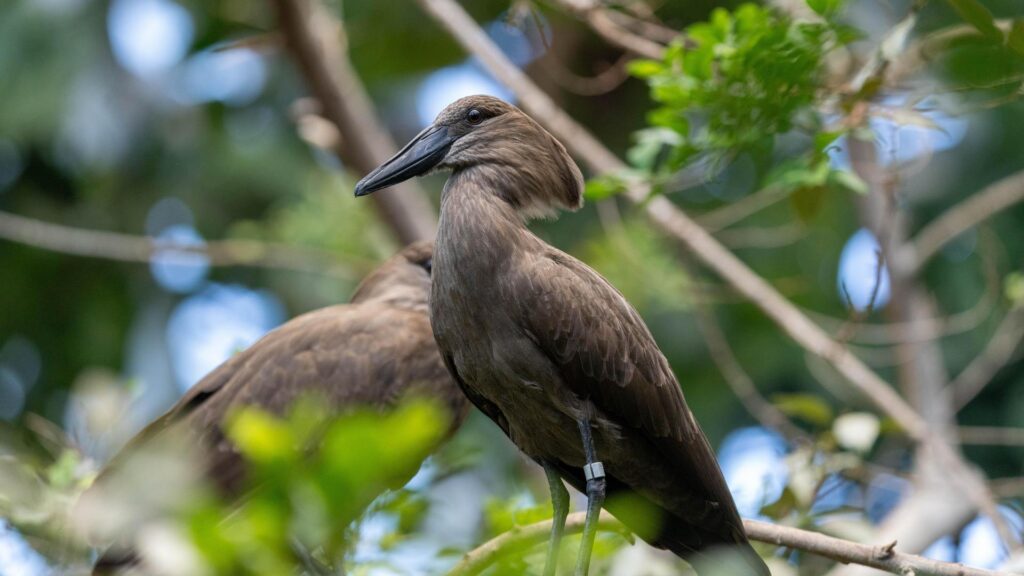
Hamerkop
- Range: Central and southern Africa and Madagascar
- What do they eat? Carnivore – shrimp, insects, rodents, and lizards
- What family do they belong to? Scopidae – hamerkop family
- IUCN Red List status: Least Concern
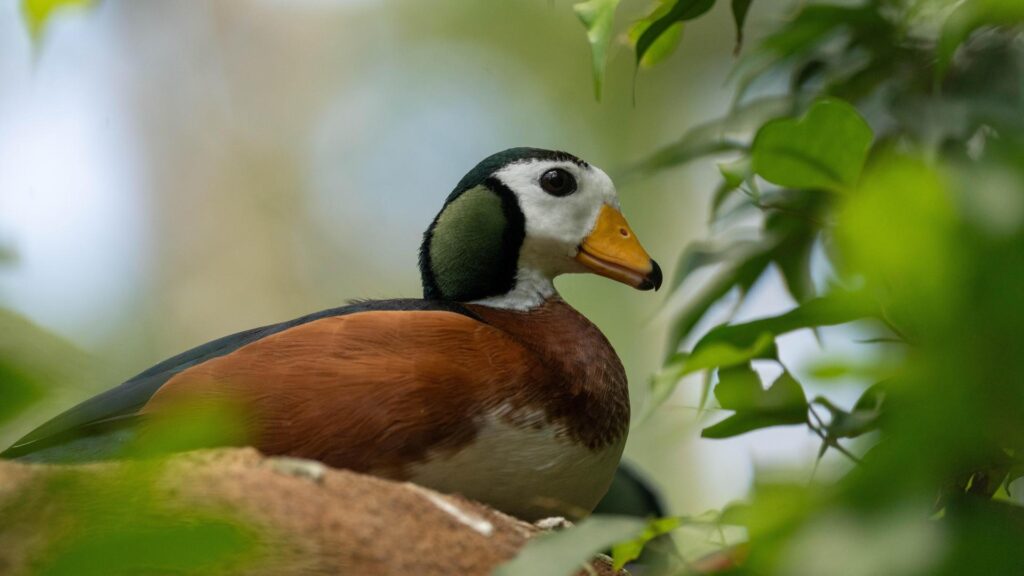
African Pygmy Goose
- Range: Central and southern Africa, and Madagascar
- What do they eat? Omnivore – sees and insects
- What family do they belong to? Anatidae – duck, goose, and swan family.
- IUCN Red List status: Least Concern
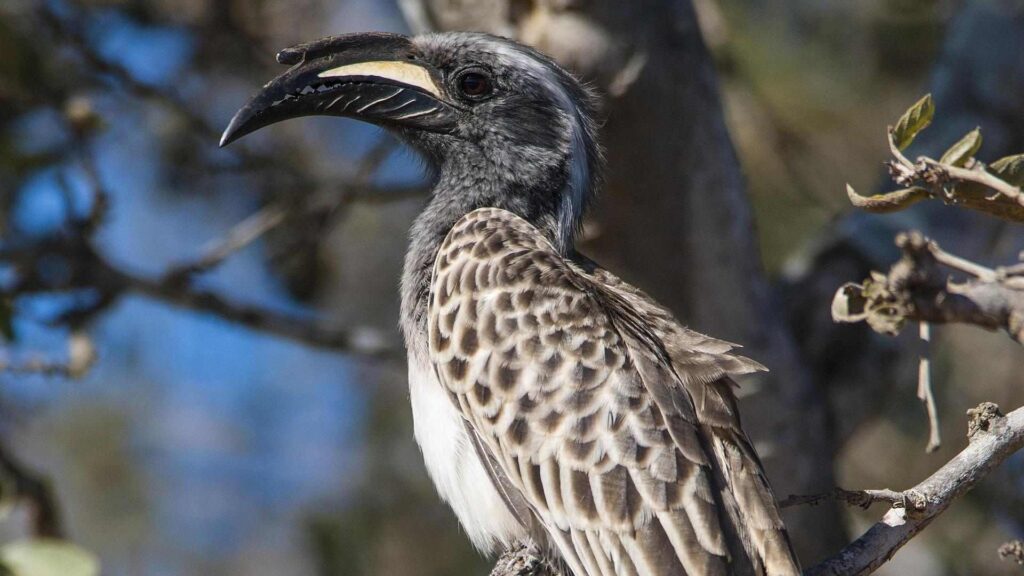
Von Decker Hornbill
- IUCN Red List Status: Least Concern (at relatively low risk of extinction)
- Type: Bird
- Habitat: Dry savannahs and open woodlands of East Africa
- Diet: Omnivore – insects, fruit, and small animals
- Size: About 40 centimetres long
- Weight: 100 to 200 grams