
Remembering Fabio
It is with heavy hearts that we share the passing of Fabio, a beloved member of our peafowl muster. Earlier this month, Fabio, a 15-year-old free-roaming peacock, was struck on a back service road by…
Read MoreEarly Penguin Plunge Closure: Last entry to Penguin Plunge on Thursday, September 17, will be at 4:15 p.m., with the building closed by 4:30 p.m, to accommodate a private event. Thank you for your understanding.
Early Asian Highlands Closure: Last entry to Asian Highlands will be at 4 p.m. on Sunday, September 20, and Sunday, September 27, to accommodate set up for Wild After Hours: Snow Leopards (18+). The area will be cleared by 5 p.m. Thank you for understanding.
Grizzly Bear Viewing: Our grizzly bears are off-view from Tuesday, September 8 through Friday, September 18, to accommodate planned habitat work. Thank you for your understanding.
Giraffe Viewing: Our giraffes will not be viewable from Tuesday, September 15 through Thursday, September 17, to accommodate maintenance of the Savannah Building’s fabric doors. Thank you for your understanding.
PETRONAS Gateway to Asia Malayan Tapir Viewing: ‘Sempurna’ and her female calf ‘Nyawa’ have daily access to either the main indoor habitat or the outdoor habitat from 9:30 a.m.–1:30 p.m. They’ll also have access to their behind-the-scenes space and may choose to spend time there, so viewing isn’t always guaranteed. Thank you for your understanding.
Due to significant construction activities in and around Imagine Asia, the zoo’s West Gate will remain closed for the 2025 season and is expected to remain closed until at least 2028/2029. This necessary step supports the safe movement of visitors while we undertake exciting improvements to animal habitats and visitor experiences.
Bite-Sized
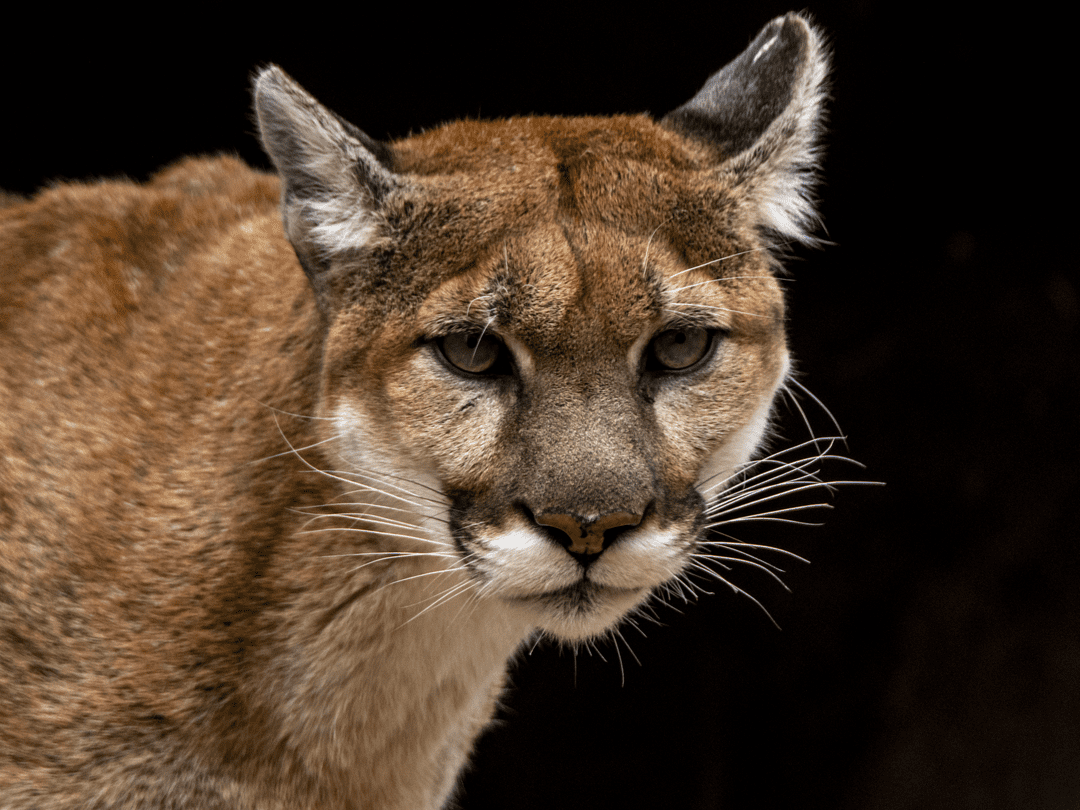
Saying goodbye to an animal we have loved and cared for is never easy, even when you know the time to ‘walk them home’ is drawing near. Last month, we said goodbye to our beloved female cougar, ‘Freya’, who had been on treatment for progressive chronic kidney disease and other age related degenerative diseases, and had recently developed increasing upper respiratory breathing difficulty.
At 15 years old, Freya was considered geriatric for her species. For the past 2 years, our Animal Care, Health & Welfare (ACHW) team had supported her health and wellbeing through various medications, dietary adjustments, habitat modifications, and careful observation to ensure she was maintaining a high quality of life. When Freya’s wellbeing began to progressively decline due to worsening respiratory signs and associated nose bleeding, coupled with end stage kidney failure, the ACHW team made the compassionate decision to euthanize her. Her necropsy revealed a large inoperable tumour in her nasal passage in addition to her advanced kidney disease.
With the median life expectancy of female cougars in human care being 16 years, Freya’s advanced age at the time of her passing is a reflection of the exemplary care she received from our ACHW team during her golden years.
Freya came to the Wilder Institute’s Calgary Zoo from a BC wildlife rescue facility with her brother, ‘Odin’, in 2010 after being orphaned in the wild in 2009. Although cougars are typically solitary, naturally spending their adult lives alone, Freya and Odin were closely bonded and could often be observed spending time together in their habitat. Our Animal Care, Health & Welfare Team has been carefully monitoring Odin following the loss of his sister.
Losing any of the animal residents we love and care for is heartbreaking, but it’s especially so when they’ve been a part of our family for so long. Freya will be missed by her dedicated caregivers, staff, volunteers, and countless zoo guests who had the chance to visit her throughout her lifetime. Please keep her dedicated care team in your thoughts during this difficult time.